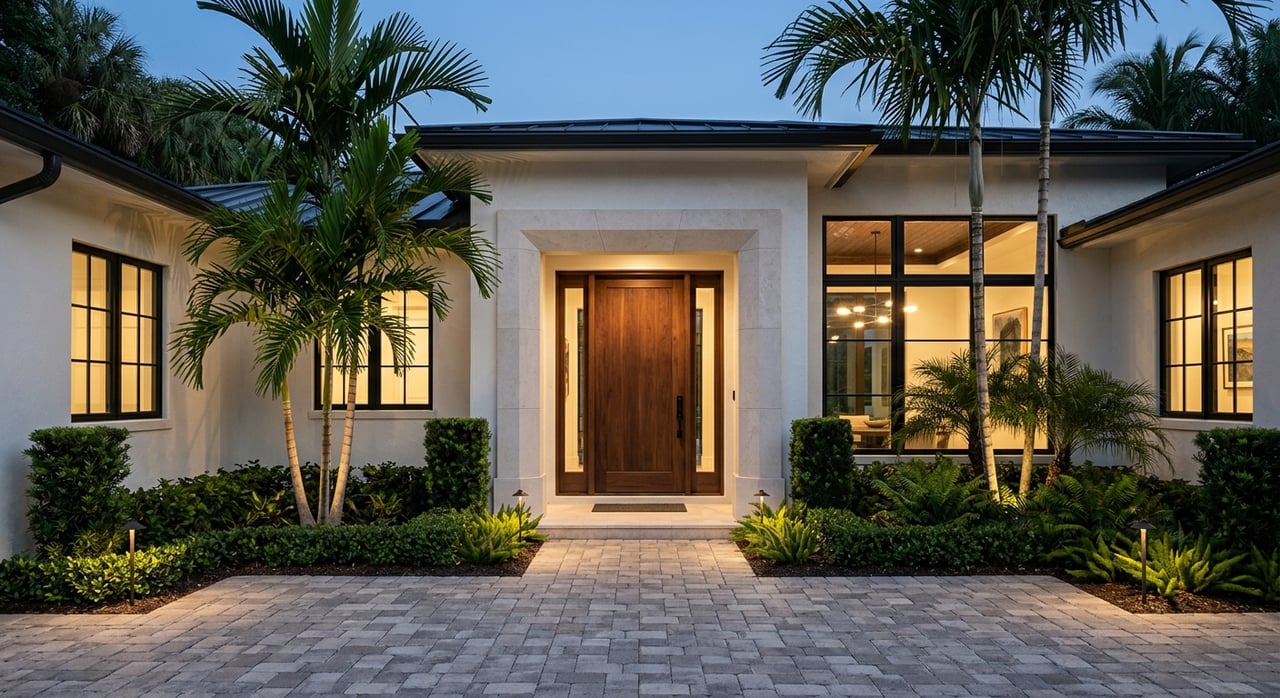
If you are trying to choose the right South Tampa neighborhood, Palma Ceia usually ends up on your shortlist fast. It has the classic streetscape many buyers picture, but it does not feel exactly like Hyde Park, Virginia Park, or the blocks near Bayshore. Understanding those differences can help you narrow your search with more confidence and less guesswork. Let’s dive in.
Palma Ceia at a Glance
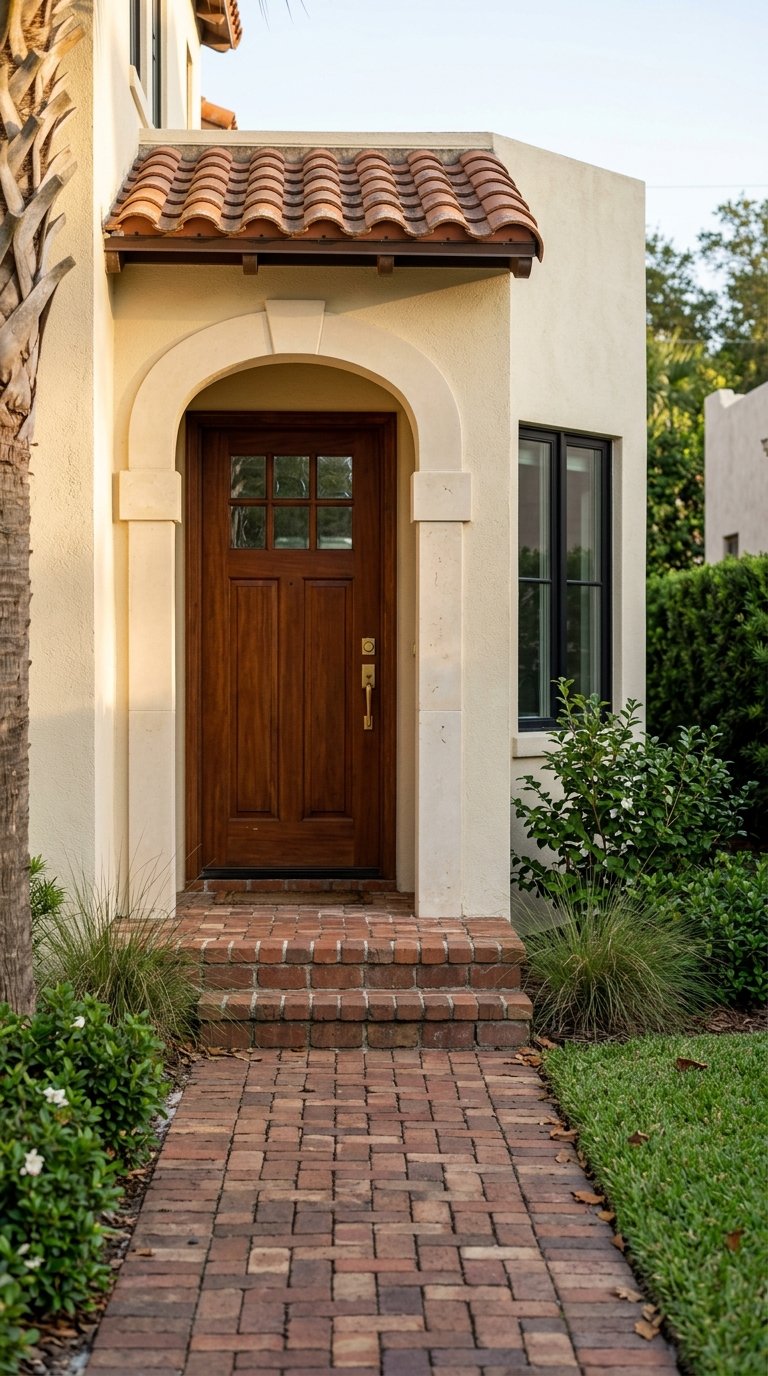
Palma Ceia is one of South Tampa’s established neighborhoods, and the City of Tampa describes it as a sought-after community with antique red brick roads, large oaks, and a wide range of housing designs and price ranges. That mix gives it a familiar South Tampa look without making it feel one-note. For many buyers, that balance is a big part of the appeal.
Another defining feature is the Palma Ceia Commercial District. According to the city, this area functions as a mixed-use neighborhood center with office, retail, commercial, and religious uses, along with restaurants, coffee houses, bars, specialty shops, and clothing stores along Bay to Bay and MacDill. In everyday life, that can mean easier errands, nearby dining, and a neighborhood feel that stays active without being purely commercial.
How Palma Ceia Feels Different
Palma Ceia vs. Hyde Park
If you want a more urban setting, Hyde Park often stands apart right away. The City of Tampa calls Historic Hyde Park Tampa’s oldest existing neighborhood, with renovated historic homes from the 1920s and 1930s, plus Old Hyde Park Village as a major retail and service destination. It also sits immediately accessible to Bayshore Boulevard and closer to downtown.
Palma Ceia usually feels more residential and varied by comparison. Instead of centering on one major destination district, it blends classic neighborhood streets with its own smaller commercial core. That can be a better fit if you want convenience nearby but do not necessarily want the busier pace that often comes with a stronger retail draw.
Another key difference is historic oversight. Hyde Park is the stronger match for buyers who want preserved character and are comfortable with formal design review, since certain rehab or new construction projects may fall under architectural review. If you like older homes but want fewer concerns about historic-district rules, Palma Ceia may feel simpler to navigate.
Palma Ceia vs. Virginia Park
Virginia Park offers a different kind of South Tampa experience. The city mainly defines it by its boundaries, including Palmira to the north, Manhattan to the west, Euclid to the south, and Dale Mabry or Himes to the east. In practical terms, that tends to make it feel more like a residential pocket connected to major roads than a neighborhood built around a central retail district.
Compared with Virginia Park, Palma Ceia often gives you more of a distinct neighborhood-center experience. The commercial district around Bay to Bay and MacDill adds a built-in hub for day-to-day activity. If you want your neighborhood to have a more visible gathering point, Palma Ceia may check that box more clearly.
Virginia Park may still appeal if your top priority is access to major north-south and east-west routes. Its boundaries place it near several important corridors, which can be useful if your routine takes you across South Tampa often. Palma Ceia can offer strong convenience too, but the feel is usually shaped more by its interior streets and local center.
Palma Ceia vs. Bayshore-Adjacent Streets
Some buyers are not really choosing between named neighborhoods at all. They are deciding whether they want to live near Bayshore Boulevard itself or farther inside South Tampa. That is an important comparison because the lifestyle can be very different.
Bayshore Boulevard is a 4.5-mile scenic boulevard with a long sidewalk, bike lane, benches, a water fountain, bicycle parking, marina access, and fitness stations. If you picture daily walks, skyline views, and immediate outdoor access, Bayshore-adjacent streets offer a strong draw. Those blocks trade on waterfront proximity and trail access in a way that interior Palma Ceia streets generally do not.
Palma Ceia, by contrast, tends to offer more neighborhood scale and a more local errand-based lifestyle. You may give up some direct waterfront cues, but you gain a different kind of convenience through the commercial district and interior residential setting. For many buyers, the choice comes down to whether they want public-corridor energy or a more tucked-in block feel.
Housing Style and Character
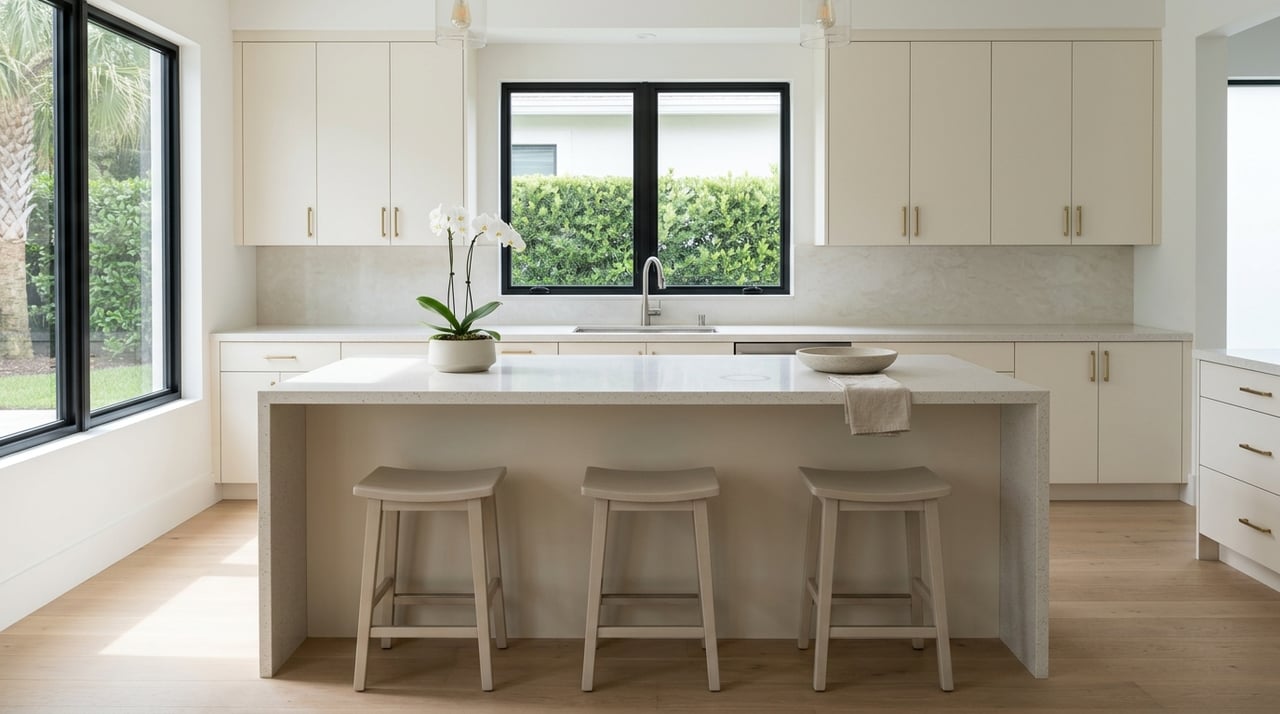
One of Palma Ceia’s biggest strengths is variety. The city highlights the neighborhood’s range of housing designs and price points, which helps explain why Palma Ceia attracts different types of buyers. You can find a more flexible mix here than you might expect in a tightly defined historic district.
Hyde Park leans more heavily into preserved historic character. Its design guidelines reference roof forms and architectural influences tied to bungalow or Craftsman and Mediterranean Revival styles. That can be a major plus if you love established architecture and want a setting with stronger visual continuity.
Virginia Park sits somewhere in the middle. Based on the research provided, it is often viewed as a high-value residential neighborhood with an eclectic mix of home styles rather than a fully preserved historic district. For some buyers, that creates a nice middle ground between South Tampa character and fewer design-review concerns.
Amenities and Everyday Convenience
For day-to-day convenience, Palma Ceia’s commercial district is one of its clearest advantages. The city says the district is designed to link nearby neighborhoods to offices, retail, commercial, and other daily uses, with a focus on supporting a vibrant mixed-use neighborhood center. That matters if you want practical convenience built into your routine.
Hyde Park usually wins if your priority is destination shopping and dining. Old Hyde Park Village creates a stronger retail concentration, and that helps the neighborhood feel busier and more walkable than many residential pockets in South Tampa. If you want more activity within a compact area, Hyde Park may have the edge.
Bayshore-adjacent areas stand out most for outdoor use. The Bayshore Linear Park Trail runs from Columbus Statue Park at Platt Street to Gandy Boulevard, with a three-mile on-road bike lane and several public amenities. If your ideal neighborhood starts with walking, biking, or being near the water, that lifestyle may outweigh other factors.
Traffic and Commute Considerations
In Palma Ceia, location within the neighborhood matters a lot. Bay to Bay Boulevard is a major east-west connector between Bayshore, Westshore, Dale Mabry, MacDill, and the Selmon Expressway, according to a City of Tampa community survey. That same survey also noted recurring concerns about traffic, sidewalks, and safety along the corridor.
That means one Palma Ceia block can feel different from another. A home closer to Bay to Bay may offer stronger convenience for getting around, but it can also come with a busier setting. A quieter interior street may feel more removed from through-traffic, even though it is still near the same neighborhood amenities.
Hyde Park tends to work well for people whose lifestyle is more tied to downtown because of its position near the urban core and Bayshore. Virginia Park can be appealing if you want practical access to major corridors like Dale Mabry, Himes, Manhattan, and Euclid. When you compare neighborhoods, think less about the name alone and more about how your exact block supports your daily routine.
What the Price Data Suggests
Current market data places Palma Ceia, Virginia Park, and Historic Hyde Park in a high-priced South Tampa tier, but not at exactly the same level. Zillow’s April 30, 2026 home-value indexes show Palma Ceia at $971,491, Virginia Park at $999,114, and Historic Hyde Park at $1,083,461. That suggests Palma Ceia remains a premium market, even if it may not always be the highest-priced option among nearby comparisons.
At the same time, platform data varies. Realtor.com and Redfin show different neighborhood-level price stories depending on how each site defines the area, property type, and time frame. The takeaway is simple: if you are comparing Palma Ceia with other South Tampa neighborhoods, focus on exact blocks, home styles, and current inventory rather than assuming one label tells the whole story.
Questions to Ask While Touring
When you tour homes in Palma Ceia or nearby South Tampa neighborhoods, a few questions can help you compare them more clearly:
- Is the home in or near an area with architectural review, especially if you are also considering Hyde Park?
- How close is the property to Bay to Bay, Kennedy, or Bayshore, and how might that affect traffic at different times of day?
- Does the block feel more connected to walkable retail or more focused on interior residential streets?
- If the home is near Bayshore, are you comfortable with the tradeoff between trail access and a more active public corridor?
These are the details that often shape daily life more than the neighborhood name itself. A great South Tampa fit usually comes down to matching your routine, priorities, and comfort level with the right micro-location.
Which Buyer Might Prefer Palma Ceia?
Palma Ceia can be a strong fit if you want classic South Tampa character without committing to the more formal historic-district feel that can come with parts of Hyde Park. It also works well if you like having a neighborhood commercial center nearby for casual dining, coffee, and errands. For many buyers, it lands in a useful middle ground between quiet residential streets and practical convenience.
It may also appeal if you want more housing variety within an established area. Some buyers love the urban energy of Hyde Park or the waterfront pull of Bayshore, but others want something a little more balanced. That is where Palma Ceia often stands out.
If you are weighing Palma Ceia against other South Tampa neighborhoods, the smartest move is to compare block by block and lifestyle by lifestyle. The right match is not always the one with the most buzz. It is the one that fits how you actually want to live.
If you want help comparing Palma Ceia with Hyde Park, Virginia Park, or nearby South Tampa options, Raquel Zapata can help you sort through the details and narrow in on the right fit.
FAQs
How does Palma Ceia compare with Hyde Park in South Tampa?
- Palma Ceia generally feels more residential and varied, while Hyde Park is more urban, more historically defined, and more closely tied to destination retail and downtown access.
How does Palma Ceia compare with Virginia Park for buyers?
- Palma Ceia has a more defined neighborhood commercial center, while Virginia Park tends to feel more like a residential pocket connected to major corridors.
Are Palma Ceia home prices lower than Hyde Park prices?
- Based on Zillow’s April 30, 2026 home-value indexes in the research provided, Palma Ceia was lower than Historic Hyde Park but still firmly in a high-priced South Tampa tier.
What makes Palma Ceia different from Bayshore-adjacent areas?
- Palma Ceia focuses more on neighborhood scale and local convenience, while Bayshore-adjacent areas are more centered on waterfront proximity, trail access, and public-corridor lifestyle.
What should you look for when touring homes in Palma Ceia?
- Pay close attention to the exact block, especially how near the home is to Bay to Bay or other major corridors, and whether the setting feels more retail-oriented or more tucked into interior residential streets.