If your Virginia Park home is worth top-dollar on paper but sits too long online, buyers will notice. In a premium Tampa neighborhood where listing prices are high and expectations are even higher, smart preparation can shape how quickly your home sells and how strongly buyers respond. The good news is that you do not need to guess where to start. With the right prep plan, you can focus on the updates, records, and presentation choices that matter most. Let’s dive in.
Why prep matters in Virginia Park
Virginia Park is not a typical Hillsborough County market. Recent local data show a median listing price around $1.7 million in the neighborhood, with homes spending about 70 days on market and selling an average of 2.37% below asking in June 2026. That points to a higher-priced, more selective environment where buyers are comparing details carefully.
The broader 33629 ZIP code tells a similar story, with a median listing price near $1.75 million, 289 active listings, a 63-day median market time, and a 95% sale-to-list ratio. Compared with countywide and Tampa-wide pricing, Virginia Park sits in a much more premium bracket. That means condition, pricing discipline, and presentation can have an outsized effect on your final result.
Start with visible condition issues
When buyers tour a higher-end home, they tend to notice deferred maintenance quickly. Small problems can create bigger doubts about how well the property has been cared for overall. Even if the issue is minor, it can affect confidence and invite tougher negotiation.
A practical first step is to identify obvious maintenance items before your home goes live. Pay close attention to roofing concerns, HVAC performance, major appliances, worn finishes, and anything that looks neglected. Buyers often build these expected costs into their offers.
A pre-sale inspection is not required, but it can help uncover issues before buyers find them. That gives you time to decide what to repair, what to disclose, and how to budget for any larger concerns. In a market where homes may take around two months to sell, fewer surprises can make your listing feel stronger from day one.
Focus on high-impact cosmetic improvements
Not every pre-sale project needs to be large or expensive. In many cases, simple cosmetic work creates the clean, move-in-ready feel buyers want to see online and in person. That is especially important in Virginia Park, where buyers are often comparing polished listings.
City of Tampa guidance makes an important distinction here. Cosmetic items such as painting, wallpapering, cabinetry, furnishings, decorations, shelving, flooring, and gutters do not require a building permit. Minor remodeling and minor plumbing, electrical, or mechanical repairs also do not require plans under the city guidance.
That gives you a useful lane for lower-risk prep work. Fresh neutral paint, updated lighting where appropriate, cleaner flooring, and a more open furniture layout can improve first impressions without pushing you into a larger renovation. If your goal is to maximize appeal before listing, these are often smarter moves than expensive projects with uncertain payoff.
Best cosmetic updates before listing
- Refresh interior paint in neutral tones
- Remove bulky or outdated furniture
- Deep clean windows, walls, fixtures, and floors
- Reduce visible wear in high-traffic areas
- Pack away personal items and excess decor
- Simplify rooms so their size and function are easy to read
Know when permits matter
Before you start any bigger project, pause and confirm whether a permit is required. In Tampa, residential permits may apply to work involving roofs, fences, pools, and remodeling. The city also states that any work requiring a permit must receive final inspection approval.
This matters for two reasons. First, permit-triggering work can add time and cost right before listing. Second, buyers in a premium market often ask questions about whether improvements were properly completed and finalized.
If you have already done major work, gather your documentation early. If you are considering work now, weigh whether the upgrade will truly help your sale or simply create one more moving part. In many cases, fixing visible maintenance issues and confirming records is a better use of time than launching a major project just before the market debut.
Projects to review carefully
- Roof replacement or major roof work
- Structural remodeling
- Pool-related work
- Fence installation or replacement
- System work involving electrical, plumbing, or mechanical components beyond minor repair
Use staging to help buyers connect
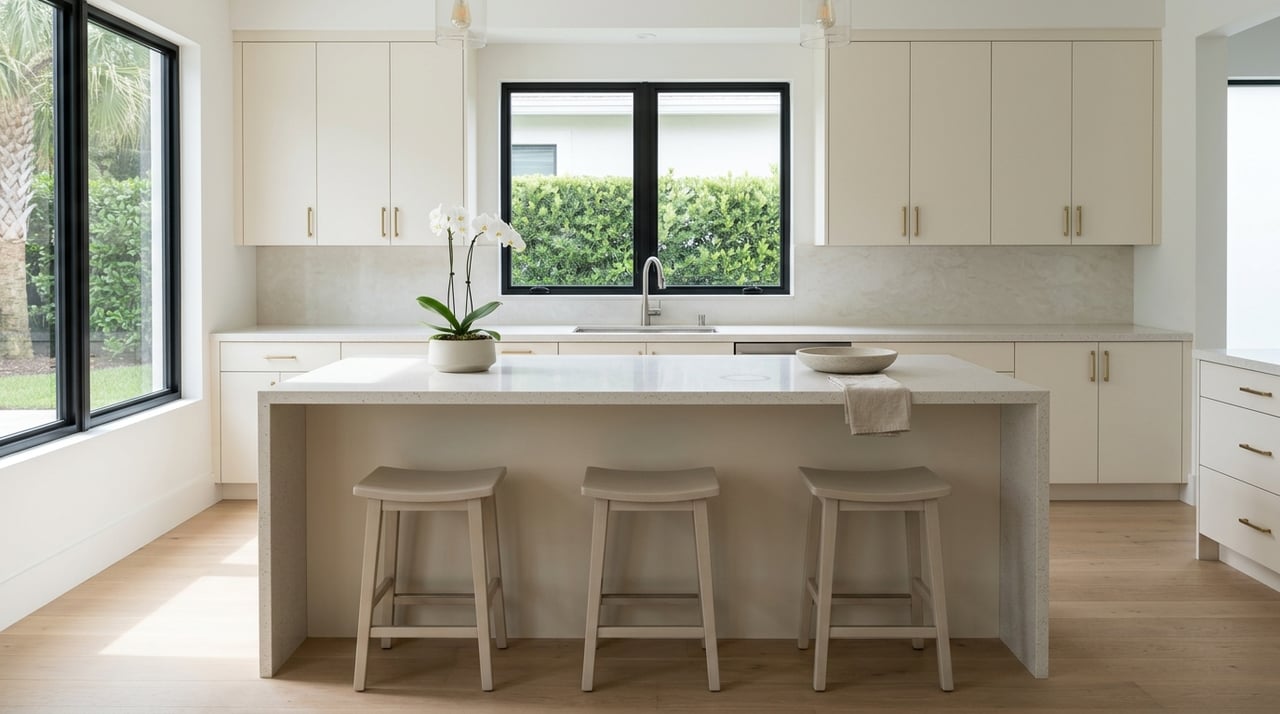
Staging is not about making your home look generic. It is about helping buyers picture how the space lives. According to NAR's 2025 staging report, 83% of buyers' agents said staging made it easier for buyers to visualize a property as their future home.
That matters because online presentation now shapes almost every showing decision. The same report found that photos, videos, and virtual tours are important tools, which means your prep work needs to support how the home appears on screen before anyone steps through the front door. Clean lines, open sightlines, and balanced room layouts all help your listing media work harder.
Staging can also support value and speed. In the same NAR report, 29% of agents said staging increased the dollar value offered by 1% to 10%, and 49% of sellers' agents said staged homes sold faster. While every property is different, those numbers reinforce the value of thoughtful presentation.
Staging basics that usually pay off
- Declutter every room
- Clean the entire home thoroughly
- Remove oversized furniture that shrinks the space
- Create a clear purpose for each room
- Use simple, neutral styling
- Let in as much natural light as possible
Boost curb appeal without overbuilding
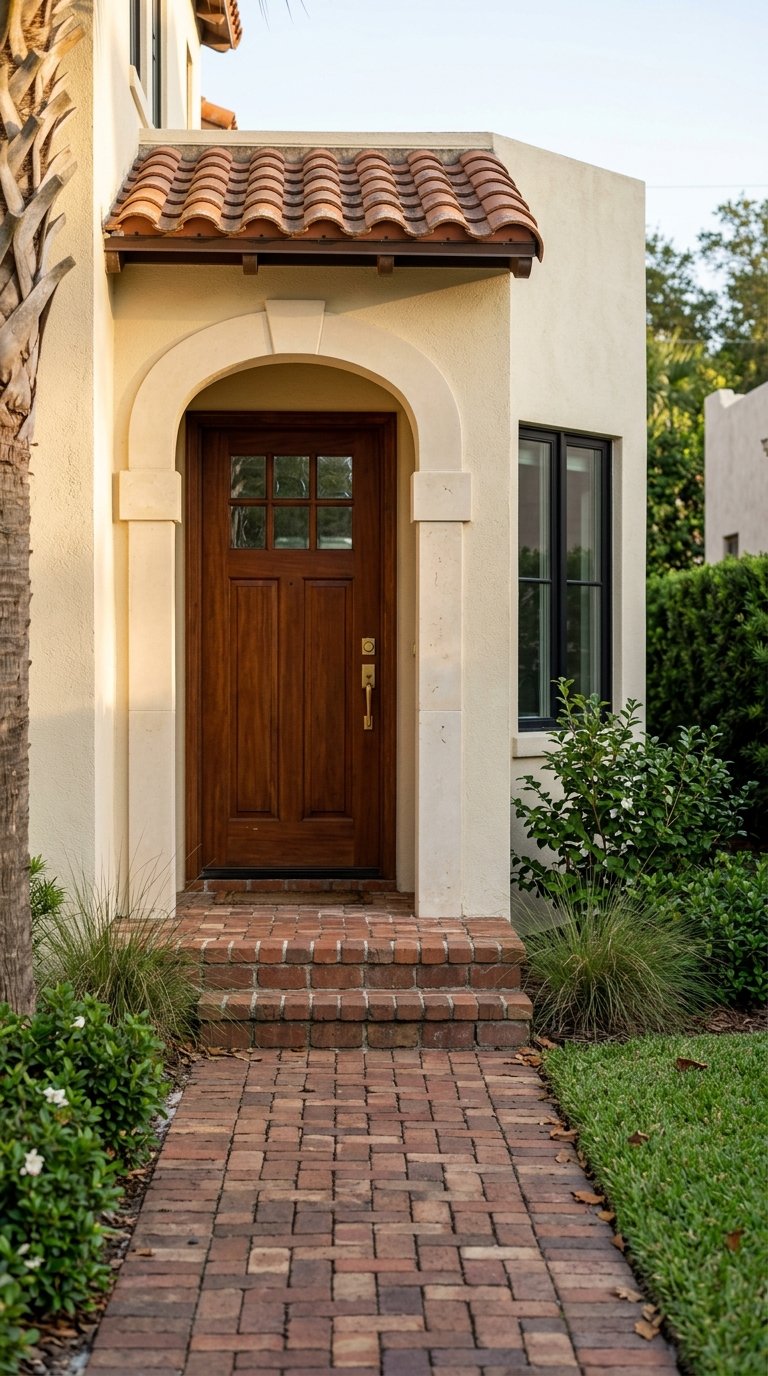
Your front exterior sets the tone before buyers ever enter the home. In a neighborhood like Virginia Park, where polished exteriors are part of the comparison set, curb appeal can influence whether buyers arrive excited or skeptical. The goal is not to over-improve. It is to look cared for, fresh, and consistent with the home’s price point.
NAR found that sellers' agents frequently recommend improving curb appeal. Practical ideas include manicured landscaping, a clean entry, and simple touches like a tidy mat and potted plants. These are modest updates, but they help the home feel ready.
National remodeling survey data also support modest exterior work. Standard lawn care showed an estimated 217% cost recovery, landscape upgrades 100%, and tree care 104%. These are national figures rather than Virginia Park-specific returns, but they support a simple idea: low-cost exterior cleanup can outperform larger, riskier renovation projects when you are preparing to sell.
Easy curb appeal wins
- Mow and edge the lawn
- Trim hedges and trees
- Refresh mulch or planting beds
- Clean the driveway and entry area
- Add a neat front mat and a few potted plants
- Make sure the front door area feels bright and welcoming
Get your records organized early
A smooth sale often depends on more than how the home looks. Buyers may ask for repair history, appliance information, permit records, and other supporting documents. Gathering these items before listing can help you answer questions quickly and reduce stress once offers start coming in.
It also helps your agent guide you more clearly. Florida law places disclosure duties on licensees for known facts that materially affect the value of residential property and are not readily observable. That is one reason it is smart to share a full picture of repairs, defects, and known issues from the start.
NAR also recommends keeping warranties, guarantees, and manuals for appliances and systems that will stay with the home. If you can produce organized records quickly, buyers may feel more confident about the property and the transaction.
Documents to gather before listing
- Permit records and final inspection approvals
- Repair invoices and contractor receipts
- Appliance manuals and warranties
- Roof, HVAC, and system service records
- Any known flood-history documentation
- Notes about completed updates and dates
Be ready for Florida flood disclosure
Florida has a specific rule for residential sales involving flood disclosure. The seller must complete and provide a flood disclosure at or before contract execution. In the Tampa Bay area, that step matters because buyers often have questions about drainage, stormwater, and past flooding.
Virginia Park buyers may be especially tuned into those concerns. The City of Tampa’s neighborhood page for Virginia Park references water and stormwater flood-relief capital projects in the area. That does not mean every property has the same history or risk, but it does mean flood-related questions are part of the local conversation.
The best approach is to prepare early and be accurate. If you have relevant records, claims information, or repair documentation, keep it ready. Clear, timely information helps reduce uncertainty during negotiations.
Think about timing if you are buying next
If you plan to sell and buy another Florida home, your move timing may affect more than logistics. Florida’s homestead exemption can reduce taxable value by as much as $50,000, and eligible homeowners may transfer all or part of the Save Our Homes assessment difference to a new Florida homestead.
That portability is not automatic. The Florida Department of Revenue says you must file Form DR-501T with the new homestead application, and the deadline is March 1 of the first year after moving. If your sale is tied to a move-up purchase or downsizing plan, this is worth planning for early.
A well-prepared sale is not just about the listing date. It is also about how your sale supports your next step with fewer surprises.
A smart Virginia Park prep plan
If you want the strongest possible outcome, keep your preparation practical and focused. In a premium neighborhood where homes can still take time to sell and often trade below asking, the homes that feel clean, documented, and move-in ready tend to stand out better.
A smart plan usually includes visible repairs, cosmetic improvements, curb appeal work, permit awareness, organized records, and clear disclosures. That approach helps you avoid overspending while still meeting buyer expectations. It also gives your pricing and marketing a stronger foundation.
With a hands-on team, clear communication, and thoughtful prep guidance, you can bring your home to market with more confidence. If you are getting ready to sell in Virginia Park, Raquel Zapata can help you create a prep strategy that fits your home, your timeline, and your next move.
FAQs
What prep matters most when selling a Virginia Park home?
- The biggest priorities are fixing visible maintenance issues, cleaning thoroughly, decluttering, improving curb appeal, and making sure your records and disclosures are organized before listing.
Do Tampa cosmetic updates require a permit before selling?
- City of Tampa guidance says cosmetic items such as painting, wallpapering, cabinetry, furnishings, decorations, shelving, flooring, and gutters do not require a building permit.
What home projects in Tampa may need permits?
- Residential permits may apply to items such as roof work, fences, pools, and remodeling, and any work requiring a permit must receive final inspection approval.
Is staging worth it for a Virginia Park home sale?
- Staging can help buyers visualize living in the home, and NAR reported that many agents saw staged homes sell faster and sometimes receive higher offers.
What Florida disclosure should Virginia Park sellers know about?
- Florida requires a residential flood disclosure to be completed and provided at or before contract execution.
What records should Virginia Park sellers gather before listing?
- Helpful records include permit paperwork, final inspection approvals, repair invoices, warranties, appliance manuals, service history, and any relevant flood-related documentation.
Can Florida homestead rules affect my move after selling?
- Yes. If you are buying another Florida homestead, you may be able to transfer all or part of your Save Our Homes assessment difference, but you must file Form DR-501T with your new homestead application by March 1 of the first year after moving.