Selling a historic Hyde Park home is not the same as selling a newer property. Buyers are often drawn to the charm, porch lines, windows, trim, and craftsmanship that make these homes stand out, but they also want confidence that the property is well maintained and ready for a smooth closing. If you want to protect your home’s character while reducing surprises during inspections, appraisal, and escrow, a thoughtful plan matters. Let’s dive in.
Understand Hyde Park’s Historic Rules
Hyde Park is Tampa’s oldest existing neighborhood, just west of downtown across the Hillsborough River. The City of Tampa says the neighborhood’s homes reflect Florida architectural styles from the 1920s and 1930s, and the area falls under the city’s historic preservation program.
That matters when you prepare to sell. In Hyde Park, exterior changes are reviewed for architectural appropriateness, and the Architectural Review Commission uses the Hyde Park guidelines as a general guide. If you are not sure whether your property sits in a local or national historic district, the city advises confirming district boundaries with its Architectural Review and Historic Preservation Division.
Preserve the Features Buyers Notice
In a historic home, the details are not just decoration. They are part of the property’s value story and often part of what makes buyers fall in love with the home in the first place.
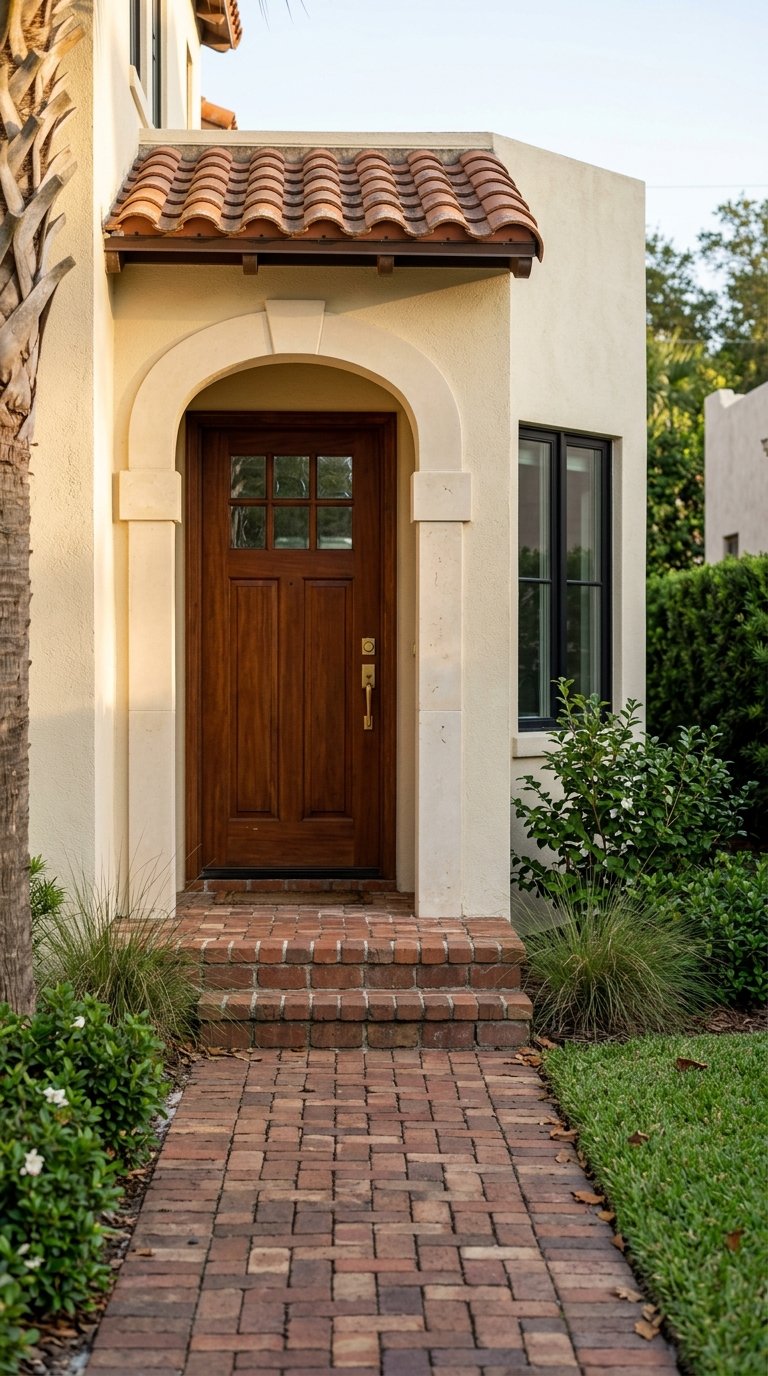
The city’s Hyde Park guidelines emphasize maintaining materials, trim and detail, facade proportions, window patterns, entrances, porch projections, roof forms, roof materials, and landscape or site elements. That means features like porches, columns, railings, brackets, shutters, roof lines, fences, walls, and landscaping deserve special attention before you list.
Whenever possible, original details should be maintained or repaired rather than replaced. The city also says that if replacement is needed, the new feature should resemble the original shape and character.
Some changes can hurt the look of the home and work against the district’s historic standards. The Hyde Park guidelines specifically discourage incompatible updates such as decorative wrought iron rails and metal or synthetic soffits and fascias.
Start With Visible Maintenance
Before you think about cosmetic updates, focus on the basics buyers and appraisers will see right away. In Hyde Park, curb appeal is about more than presentation. It also connects to local code compliance.
Tampa’s Neighborhood Enhancement division investigates issues such as overgrown yards, maintenance of structures, inoperative vehicles, illegal signs, and public nuisances. A tidy exterior, trimmed landscaping, and a well-kept structure can help your home show better while also reducing avoidable concerns.
This is where practical preparation pays off. A clean porch, stable railings, fresh but appropriate touch-up work, and maintained landscaping can help highlight the historic character buyers are looking for.
Review Permits Before You List
One of the most important steps in preparing an older home for sale is gathering your permit history. If recent work was done, buyers will want to know what changed, when it changed, and whether the paperwork was properly completed.
Tampa’s residential permit categories include roofing, remodeling, electric, plumbing, mechanical work, driveways, additions, shutters and awnings, siding and stucco, and screen enclosures. If you altered any of these items, it helps to have a clear permit trail and proof that the work was closed out.
Hillsborough County’s homeowner guidance says most construction requires permits. It also says work started without the proper permit should be stopped and resolved quickly, and after-the-fact permits can cost more and may lead to citations.
If you handled past work yourself, there is another detail to know. County guidance says a homeowner acting as their own contractor generally must own the home as a primary residence, and the property cannot be sold for one year after the work is completed. That can be a major issue for pre-listing projects, so it is worth checking before work begins.
Be Careful With Exterior Changes
Historic homes often need updates, but in Hyde Park, visible exterior work should be approached carefully. A well-meant change can create delays if approvals were required before the work started.
Before replacing windows, shutters, awnings, fences, walls, or other visible exterior items, check whether a Certificate of Appropriateness is required. The city says those changes require approval before construction begins, and the Hyde Park guidelines also identify screen enclosures and fence or wall work as review topics.
The guidelines also caution against incompatible window and door types. They specifically warn against changes such as inserting picture windows where they did not historically exist. If your goal is to sell successfully, protecting the home’s proportions and architectural character is usually the smarter move.
Modernize Without Erasing Character
Buyers want historic charm, but they also want a home that feels functional and cared for. The sweet spot is thoughtful updating that improves how the home looks, feels, or functions without stripping away the features that make it distinctive.
A useful model is to prioritize improvements that modernize buyer expectations without major structural alteration. In practice, that often means cleaning up deferred maintenance, improving function where needed, and avoiding visible changes that make the exterior feel out of place in Hyde Park.
This is also where experienced guidance matters. A seller can spend money in the wrong places if every update is treated like a value booster. In a historic neighborhood, the best return often comes from repair, maintenance, documentation, and presentation rather than over-renovation.
Get Ahead of Inspection Issues
Older homes can come with more inspection questions, even when they have been lovingly maintained. The goal is not perfection. The goal is reducing the issues that can shake buyer confidence or slow the deal.
HUD and Fannie Mae guidance focus on safety, soundness, structural integrity, and marketability. Cosmetic wear may be noted without becoming a required repair, but true defects are more serious.
Common red flags in older homes include:
- Termites or other infestation
- Inoperative or inadequate plumbing
- Heating or electrical problems
- Roof leaks
- Cracked masonry or foundation damage
- Drainage problems
- Dampness
- Settlement
If any of these issues may apply to your home, it is usually better to identify them before the buyer does. A pre-listing inspection by a qualified professional is often a practical way to reduce surprises later in escrow.
Fix Small Problems Before They Add Up
Not every issue is major, but smaller flaws still affect how buyers and appraisers perceive the property. Minor items may not always trigger mandatory repairs, but they can still shape the overall condition rating.
Examples include worn floor finishes, holes in window screens, small cracks in window glass, and missing handrails. These may seem easy to ignore while you are living in the home, but they can make a historic property feel less cared for during showings.
Simple repairs can help your home present as well maintained rather than overdue for work. In a neighborhood like Hyde Park, where buyers often notice craftsmanship and detail, that distinction matters.
Prepare for the Appraisal Visit
Appraisal day is not the time to discover blocked access or unanswered condition questions. Appraisers need full visual access to key areas of the home.
HUD guidance says that includes spaces such as the attic and crawl space. Appraisers are not expected to move furniture, debris, or stored items to complete their inspection.
Before the appointment, make sure these areas are accessible and safe to enter. If the appraiser identifies a serious deficiency, the property may need to be appraised subject to repairs or a qualified inspection, which can complicate your timeline.
Organize a Closing-Ready Paper Trail
For a historic home, your documents can be just as important as your staging. A well-organized file helps answer buyer, lender, and appraiser questions before they become closing delays.
The strongest pre-listing file often includes:
- Permit records
- Contractor invoices
- Inspection reports
- Historic review approvals, if applicable
- Records related to exterior improvements
If work affected a sidewalk, driveway, or another area in the city right of way, Tampa says those activities are regulated through permits. That is one more reason to gather paperwork early instead of scrambling after a buyer asks for it.
Showcase the Home’s Story Honestly
When it is time for photos and showings, highlight the details that define the home without trying to hide its condition. Buyers respond to authenticity, especially in a neighborhood with a strong architectural identity.
That means drawing attention to features like porch depth, porch columns, ornamentation, original window proportions, roof form, trim, and well-kept site elements. A clean, bright presentation can support these details without making the home feel stripped of personality.
At the same time, avoid over-modernizing visible areas just to chase a trend. In Hyde Park, the better strategy is usually to present a home that feels preserved, maintained, and ready for its next chapter.
If you are getting ready to sell a historic Hyde Park property, careful planning can make a big difference. From protecting architectural details to reviewing permits and preparing for inspections, the right steps can help you preserve value and move to the market with confidence. If you want practical guidance on how to prepare your home for a successful sale, connect with Raquel Zapata for clear, hands-on support.
FAQs
What should you repair before selling a historic Hyde Park home?
- Focus first on visible maintenance, safety concerns, and condition issues that often raise inspection or appraisal questions, such as roof leaks, drainage problems, damaged masonry, electrical or plumbing concerns, and pest issues.
Do Hyde Park homes in Tampa need approval for exterior changes?
- In many cases, yes. The City of Tampa says certain exterior changes, including work involving windows, shutters, awnings, fences, walls, and screen enclosures, may require approval before construction begins.
Why do permits matter when selling a Hyde Park historic home?
- Permit records help explain past work, show whether projects were properly closed out, and reduce buyer concerns about repairs, remodeling, roofing, driveways, and other altered features.
What historic features add value in a Hyde Park home sale?
- Character-defining features such as porches, columns, trim, original window proportions, roof form, railings, brackets, and maintained landscape elements help support the home’s historic appeal.
How can you prepare a historic Tampa home for appraisal?
- Clear access to areas like the attic and crawl space, address serious condition concerns early, and organize records for repairs, permits, and inspections so the appraiser can review the property without avoidable obstacles.