If you want a home base that keeps you close to Tampa’s business core, dining, shopping, and airport access, Westshore probably already has your attention. For many buyers, that convenience is the whole point, especially when a condo or townhome can offer lower-maintenance living in a location that stays connected to the rest of the city. If you are thinking about buying in Westshore, this guide will help you understand what to expect, what to ask, and where to slow down before you commit. Let’s dive in.
Why Westshore Appeals to Attached-Home Buyers
Westshore is a mixed-use district in Tampa bounded by Hillsborough Avenue, Himes Avenue, Kennedy Boulevard, and Tampa Bay. City standards describe the area as a place shaped by retail, business, high-density residential, and mixed-use development. That mix helps explain why condos and townhomes fit naturally here.
For you as a buyer, Westshore is often a location-first decision. The area offers proximity to downtown, major roads, transit, and Tampa International Airport, which sits within the district area. HART also serves Westshore with five routes, adding another mobility option for people who want flexibility in how they get around.
The district also has a strong amenity base. The Westshore Alliance notes there are 45 hotels and more than 250 restaurants in the area, along with shopping, dining, and entertainment. If your priority is convenience over a large yard, Westshore can be a practical fit.
What You Can Expect to Find
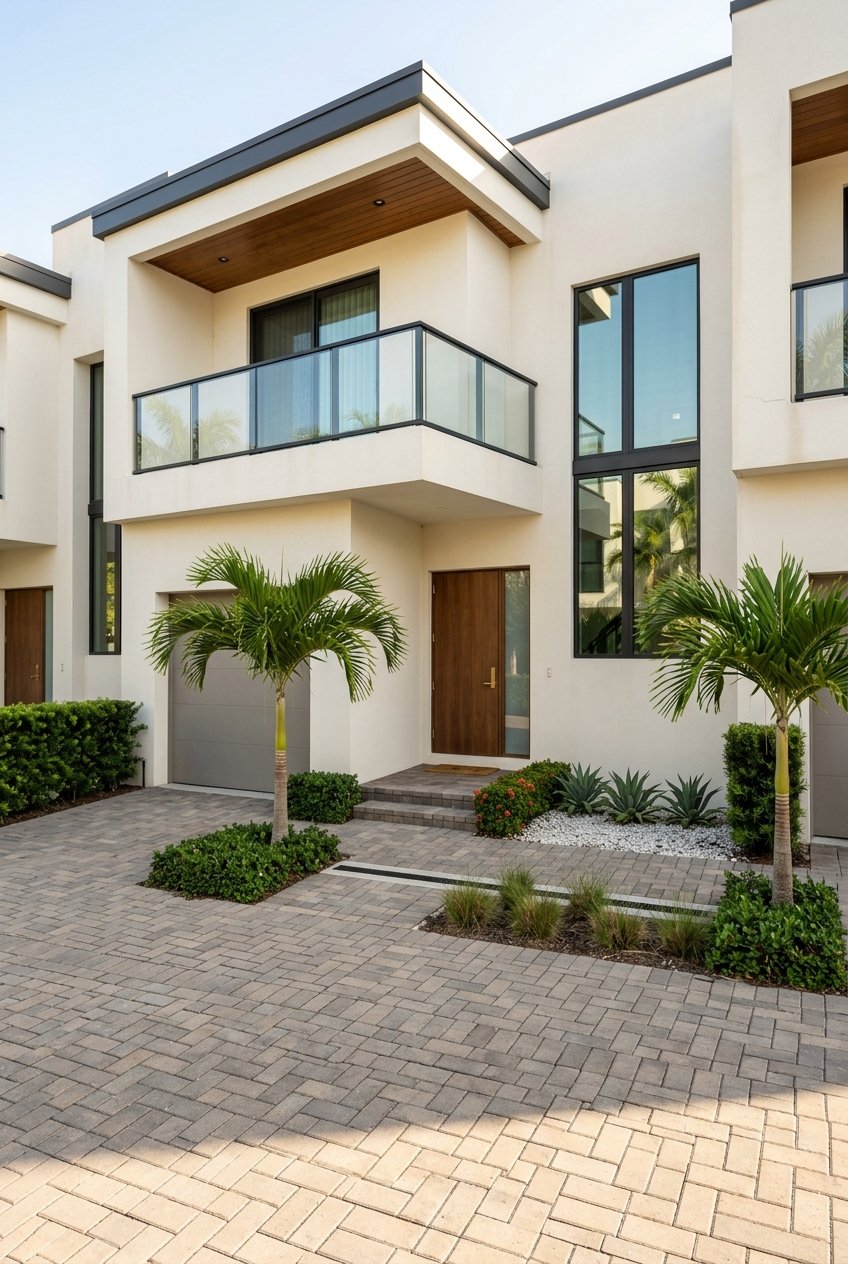
Westshore’s attached-home options can vary more than many buyers expect. In this area, “condo” might mean a high-rise tower, a mid-rise building, or a garden-style community. “Townhome” might mean a multistory attached home with more private space, but it can still come with shared amenities and association rules.
That matters because the lifestyle and monthly costs can look very different from one community to the next. A newer tower may include service-oriented amenities, while a townhome community may focus more on private garages, pool access, or marina-related features. The product type affects not just how you live, but also how you budget.
Condo Features You May See
Some tower-style communities in the broader Westshore area advertise features such as:
- Concierge or service staff
- Private elevator access
- Business center space
- Guest suites
- Secure storage
- Assigned or secured garage parking
- Pet-wash or grooming areas
- Marina or waterfront access in select communities
Townhome Features You May See
Townhome communities in Westshore may offer:
- Three-story or four-story layouts
- Private garages or assigned parking
- Shared pools and cabanas
- Scenic or waterfront views in some locations
- Community-maintained common areas
Condo vs. Townhome in Westshore
The biggest mistake buyers make is assuming all townhomes work the same way. In Florida, a townhome can be legally structured under a homeowners’ association or as a condominium, depending on the recorded documents. That means two properties that look similar from the outside may come with very different ownership responsibilities.
In a condominium, owners generally share ownership of the exterior and common areas through the association. In an HOA-style attached home, responsibilities may be divided differently. Before you fall in love with the floor plan, make sure you understand the legal structure of the community.
Why the Legal Structure Matters
The community’s structure can affect:
- What your monthly fee covers
- Who maintains the roof, exterior, and shared spaces
- What kind of insurance you need
- How reserves are handled
- Whether special assessments are more likely
- How lenders review the property
Understand the Real Monthly Cost
A low-maintenance lifestyle does not always mean a low-cost lifestyle. Condo fees and HOA dues are usually mandatory, and they are typically paid directly to the association rather than through your mortgage servicer. That means your true monthly payment is often more than principal, interest, taxes, and insurance.
In many condo communities, the monthly fee may help cover exterior maintenance, common-area upkeep, water, sewer, trash, recreational amenities, insurance, and reserves. Still, coverage varies by community, so you should never assume two buildings handle expenses the same way. Asking for a clear breakdown is one of the smartest things you can do early.
Insurance Is a Bigger Deal Than Many Buyers Expect
Florida condo insurance rules place important responsibilities on both the association and the unit owner. The association must maintain adequate property insurance, but that policy does not cover everything inside your unit. State law excludes many interior items and owner-responsibility components from the association policy.
For you, that means the monthly cost of ownership can include your own insurance policy, your deductible exposure, and possible reconstruction costs tied to owner-responsibility items. This is one reason a condo that looks affordable at first glance may feel different once all ownership costs are on paper. It is worth reviewing insurance expectations before you finalize your budget.
Reserve Funds and Assessments Matter
In Westshore, buying the unit is only part of the decision. You are also buying into the financial health of the association. If reserves are weak or major repairs are pending, owners may face loans, lines of credit, or special assessments to fund needed work.
This is especially important in Florida right now because reserve planning and building safety rules have become a major part of condo due diligence. A community with solid reserves, completed studies, and transparent financials may offer more predictability than one that has delayed major decisions. That does not automatically make one property right or wrong, but it should shape how you compare your options.
Florida Rules Buyers Should Know
If you are buying a condo in Westshore, state and local building rules deserve your attention. These rules can affect financing, assessments, insurance costs, and future repair planning. In other words, they can directly affect your ownership experience.
Structural Integrity Reserve Studies
In Florida, a residential condominium association must complete a structural integrity reserve study at least every 10 years for each building that is three habitable stories or higher. The study covers major components such as the roof, structure, fireproofing, plumbing, electrical systems, waterproofing or exterior painting, and windows or exterior doors.
If you are considering a qualifying building, ask whether the study has been completed and what it revealed. This is not just a paperwork question. It can point to future repair needs and possible changes in monthly fees.
Milestone Inspections
Florida and Tampa also require milestone inspections for condominium and cooperative buildings that are three stories or more. Tampa states that the general age trigger is 30 years, while Florida law also sets a 25-year trigger for buildings within three miles of a coastline.
Because Westshore is near Tampa Bay, you should confirm the exact status of the building you are considering rather than relying on a general rule. Inspection timing can influence repair schedules, budgets, and lender comfort with the project.
Financing a Westshore Condo Is About More Than You
When you finance a condo, the lender is not only reviewing your income, credit, and down payment. The lender is also reviewing the project itself. That includes the community’s condition, financial stability, structural integrity issues, pending lawsuits, and whether required inspections have been completed.
This is why a condo loan can feel more layered than a single-family home loan. Even if you are well qualified, the project still needs to meet lender standards. That extra layer can affect your financing choices, your timeline, and in some cases whether the purchase moves forward at all.
Questions to Ask About Financing
Before making an offer, ask questions like:
- Is the project warrantable?
- Is the unit eligible for the type of financing you plan to use?
- Has the lender flagged any building-condition or association issues?
- Are there pending special assessments or major repair obligations?
- Have required inspections and reserve studies been completed?
If you are using FHA financing, project eligibility can involve additional requirements related to the project’s size, insurance concentration, owner-occupancy, and financial condition. That makes early verification especially important.
Leasing Rules and Future Flexibility
If you plan to rent the property now or later, do not skip the leasing rules. Some buyers purchase a condo or townhome as a primary residence and later want the option to lease it out. In attached-home communities, that flexibility is not always guaranteed.
Ask whether the community allows leasing, whether there are waiting periods, and whether any restrictions affect investor use. Lenders also pay attention to certain rental and occupancy characteristics, so the leasing policy can matter both for your future plans and for financing.
Parking and Daily Convenience
In a dense district like Westshore, parking deserves more attention than buyers sometimes give it. Whether parking is assigned, deeded, secured, garage-based, or first-come-first-served can change your day-to-day experience. It can also affect resale appeal later.
If you have more than one vehicle, work irregular hours, or expect frequent guests, ask detailed parking questions up front. Convenience is one of Westshore’s biggest selling points, so it makes sense to confirm that the property supports the way you actually live.
A Smart Buyer Checklist for Westshore
As you narrow your options, keep this checklist handy:
- Confirm whether the property is a condo or an HOA-style townhome
- Review what the monthly fee covers
- Ask about reserve strength and recent financial statements
- Check for special assessments or planned major repairs
- Confirm milestone inspection status if the building is three stories or more
- Ask whether a structural integrity reserve study applies and whether it is complete
- Review insurance responsibilities for both the association and the owner
- Verify financing eligibility early
- Ask about leasing restrictions
- Confirm parking arrangements
The Bottom Line on Buying in Westshore
Westshore can be a strong fit if you want convenience, access, and a more connected lifestyle in Tampa. The area’s mix of business activity, dining, transportation access, and high-density residential options gives condo and townhome buyers a lot to consider. For many people, that tradeoff is worth it.
The key is to look beyond the unit itself. In Westshore, a smart purchase depends on the building, the association, the reserves, the insurance setup, and the financing picture just as much as the floor plan and finishes. If you want clear guidance as you compare your options, Raquel Zapata and the team at 1 Step Ahead Realty Group can help you move forward with confidence.
FAQs
What makes Westshore in Tampa attractive for condo and townhome buyers?
- Westshore offers proximity to Tampa International Airport, downtown, major roads, transit service, shopping, dining, and other everyday conveniences, which makes it appealing for buyers who want a connected, lower-maintenance lifestyle.
What is the difference between a condo and a townhome in Westshore?
- In Westshore, a condo and a townhome can look similar but have different legal structures, maintenance responsibilities, fees, insurance requirements, and association rules, so you should review the governing documents for the specific property.
What should you ask about condo fees in Westshore?
- Ask exactly what the monthly fee covers, including exterior maintenance, common areas, water, sewer, trash, amenities, insurance, reserves, and parking, because coverage varies from one community to another.
Why do reserve studies and milestone inspections matter for Westshore condos?
- These items can affect future repair planning, special assessments, insurance costs, and financing eligibility, especially for buildings that are three stories or higher and near the coast.
Can financing a condo in Westshore be harder than financing a house?
- Yes, because lenders often review both your finances and the condo project’s condition, financial health, inspections, and legal or structural issues before approving the loan.
What should investors or future landlords ask about Westshore townhomes and condos?
- Ask about leasing rules, waiting periods, rental restrictions, parking, association finances, and financing eligibility so you understand both current use and future flexibility.