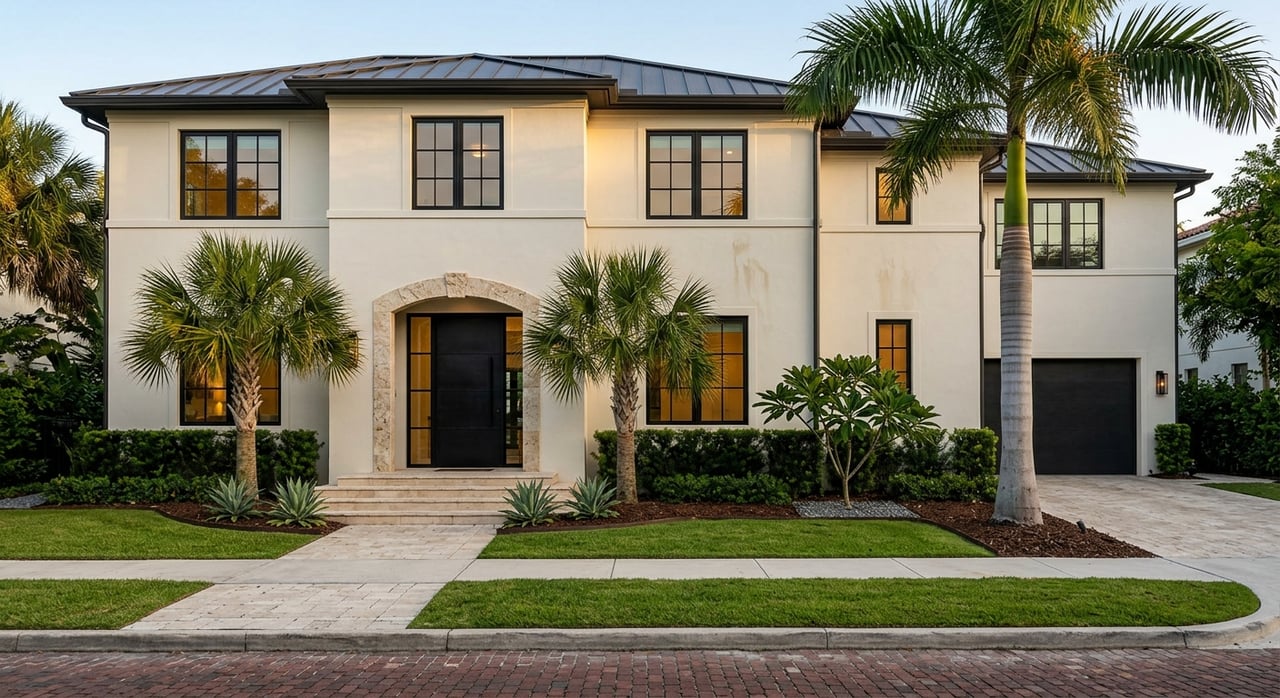
If you want a Tampa neighborhood that feels established, walkable, and full of character, Hyde Park usually lands near the top of the list. It offers a close-in location near downtown, a mix of historic homes and modern daily conveniences, and easy access to one of the city’s most recognized outdoor corridors. If you are wondering whether that lifestyle fits the way you want to live, this guide will help you understand the day-to-day feel, housing style, and tradeoffs that come with Hyde Park. Let’s dive in.
Hyde Park at a Glance
Hyde Park is one of Tampa’s oldest existing neighborhoods, located just west of downtown across the Hillsborough River. City information describes it as a place where historic homes, shaded residential streets, and modern neighborhood life come together.
That combination is a big part of why the area stands out. You are not just getting a central Tampa address. You are also buying into a neighborhood with a strong sense of place and an intentionally protected character.
What Daily Life Feels Like
For many people, Hyde Park feels more urban than suburban, but still residential. You can move from quiet streets lined with older homes to busy dining and shopping areas without going far.
That balance matters if you want convenience without giving up neighborhood charm. Hyde Park tends to work well for people who like having places to walk, dine, shop, and spend time outdoors as part of their regular routine.
Hyde Park Village Anchors the Area
Hyde Park Village is the neighborhood’s main amenity hub. According to its official site, it spans six blocks and includes boutiques, national retailers, dining, fitness, a boutique hotel, farm-fresh produce from The Fresh Market, and pet-friendly outdoor spaces and patios.
The retail and dining mix helps shape the area’s everyday appeal. The directory includes stores like Anthropologie, lululemon, Sephora, west elm, and Warby Parker, along with restaurants and casual spots such as On Swann, bartaco, Bouzy, Forbici, Meat Market, Irish 31, and Timpano.
Parking options also support the neighborhood’s more urban feel. Hyde Park Village offers complimentary garages and surface lots, plus on-street parking and valet for a fee.
Outdoor Access Is a Big Draw
If you enjoy walking, running, or biking, Hyde Park has a strong outdoor advantage. The neighborhood is closely tied to Bayshore Boulevard, which the City of Tampa describes as a signature multi-use boulevard connecting South Tampa and downtown.
The Bayshore Boulevard Greenway notes that this corridor includes one of the longest continuous sidewalks in the United States. The Bayshore Linear Park Trail runs from Platt Street to Gandy Boulevard and includes a 10-foot-wide sidewalk, a three-mile bike lane, benches, a water fountain, bicycle parking, a city marina, and fitness stations.
That kind of access can shape your daily routine in a real way. Whether you want a morning walk, an evening bike ride, or a scenic place to get outside, Hyde Park gives you nearby options that many neighborhoods cannot match.
The Neighborhood Still Feels Lived-In
Hyde Park is not only about shops and restaurants. It also has neighborhood-scale recreation support, including the Kate Jackson Center at 821 S Rome Ave.
The center offers a computer lab, after-school programming, summer camp, and contracted instruction through the city. That helps reinforce the feeling that Hyde Park is a functioning neighborhood, not just a commercial destination.
Is Hyde Park Walkable?
Yes, Hyde Park is one of the more walkable lifestyle pockets in Tampa based on its layout and amenities. The combination of Hyde Park Village and Bayshore access supports walking and biking for daily activities and recreation.
That said, your experience will still depend on exactly where you live within the neighborhood and what kind of routine you want. If your goal is to have dining, shopping, and outdoor activity nearby, Hyde Park checks many of those boxes.
What Kinds of Homes Are in Hyde Park?
Housing is one of Hyde Park’s biggest defining features. Instead of a single look or one dominant home style, the neighborhood includes a mix of historic revival styles, bungalow forms, and Craftsman-influenced homes.
City history materials identify styles in the district such as Queen Anne, Tudor, Classical, Colonial, French Second Empire, Mediterranean, Prairie, and Bungalow. Earlier homes are often two-story wood-frame houses with decorative entryways, brackets, and eaves.
The city’s architectural history information also highlights common Craftsman and bungalow features such as porches, wide eaves, exposed rafters, and a strong indoor-outdoor relationship. For you as a buyer, that means homes here often have more architectural detail and personality than you would find in a newer, more uniform subdivision.
Historic Character Is Part of the Appeal
Hyde Park’s historic identity is not just a marketing label. The neighborhood’s local historic district was expanded effective January 5, 2023, adding 184 buildings, and development within the district is reviewed under city preservation guidelines.
In practical terms, the neighborhood’s look and feel are intentionally protected. That preservation focus is one reason Hyde Park continues to feel distinct from many newer areas around Tampa.
What Buyers Should Know About Renovations
If you love the idea of a historic home, it is important to understand the extra homework that can come with it. Hyde Park is a local historic district, so exterior work is more regulated than it would be in a standard subdivision.
The city’s design guidelines address rehabilitation, compatible new construction, scale, massing, setbacks, site coverage, materials, fences, walls, and street lights. So if you are thinking about changing a home’s exterior, adding onto it, or making visible updates, you should expect review under those guidelines.
For some buyers, that is a plus because it helps preserve neighborhood character over time. For others, it may feel more restrictive than they want. The right fit depends on how much you value historic consistency versus flexibility.
Who Hyde Park Tends to Fit Best
Hyde Park often appeals to buyers who want a central Tampa location, walkable daily routines, and homes with architectural character. It can also be a strong fit if you enjoy older neighborhoods that feel established rather than newly built.
At the same time, it helps to be comfortable with the realities of older-home ownership. Maintenance needs can differ from what you might expect in newer construction, and preservation rules add another layer to exterior changes.
If you prefer brand-new homes, larger lots, or a more uniform suburban layout, Hyde Park may feel like a compromise. Its charm comes from its older fabric, close-in setting, and preservation-minded identity.
Why People Choose Hyde Park
People are often drawn to Hyde Park because it offers several things at once. You get a neighborhood near downtown, access to shopping and dining, strong outdoor connections, and a housing stock that feels more distinctive than many newer communities.
That mix creates an urban-but-residential feel that is hard to replicate. If you want a Tampa neighborhood where location, history, and everyday convenience all matter, Hyde Park makes a strong case.
Final Thoughts on Living in Hyde Park Tampa
Living in Hyde Park means choosing character, convenience, and a more connected Tampa lifestyle. It can be a great match if you want walkability, outdoor access, and a neighborhood where the homes and streetscape feel established and memorable.
It is also a place where the details matter, especially when you are evaluating older homes, future upkeep, and historic district rules. If you want help sorting through those factors and finding the right fit in Tampa Bay, Raquel Zapata can guide you with clear advice, local perspective, and hands-on support.
FAQs
Is Hyde Park in Tampa a historic neighborhood?
- Yes. Hyde Park is one of Tampa’s oldest existing neighborhoods and includes a local historic district with preservation review guidelines for development and exterior changes.
Is Hyde Park Tampa walkable for daily life?
- Yes. Hyde Park Village and the Bayshore corridor support walking and biking for shopping, dining, and outdoor recreation.
What types of homes are common in Hyde Park Tampa?
- Hyde Park includes a mix of historic revival styles, bungalows, and Craftsman-influenced homes rather than one uniform housing type.
Do Hyde Park homes have renovation rules?
- Yes. Because Hyde Park is a local historic district, many exterior changes are reviewed under city design guidelines.
What is Hyde Park Village like in Tampa?
- Hyde Park Village is a six-block neighborhood hub with boutiques, national retailers, dining, fitness, pet-friendly outdoor spaces, and multiple parking options.
Who is Hyde Park Tampa best suited for?
- Hyde Park tends to fit buyers who want a central Tampa location, historic character, walkable routines, and access to dining, shopping, and outdoor space.